
Price a Vinted item from what comparable items actually sold for — not from what you paid — then list slightly below that average, and drop the price 10-15% if it gets views but no sale after two to three weeks.
Pricing is where most Vinted listings quietly fail. Not because the item is undesirable, but because it's priced from emotion instead of from what the market will actually pay right now.
The core mistake: pricing from memory, not from data
What you paid for an item has no bearing on what a stranger will pay for it secondhand today. Buyers compare your listing against dozens of similar ones in real time — if yours is priced noticeably above the going rate, it gets scrolled past regardless of quality.
How to find the real market price (free, 2 minutes)
Method 1 — Vinted's "Sold" filter: search for your item on Vinted, filter by items that have actually sold. This shows real transaction prices, the single most reliable pricing signal available.
Method 2 — Google Lens: photograph the item, open the Shopping tab. You'll see prices for similar items across the web.
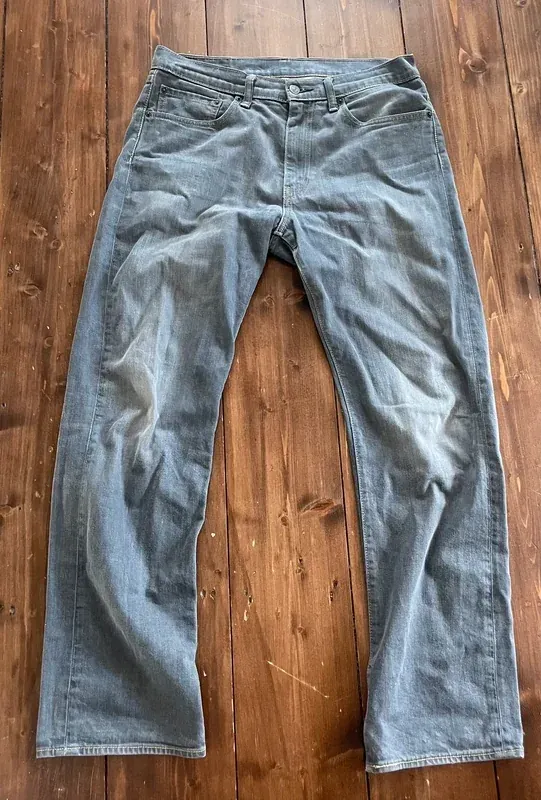 Before
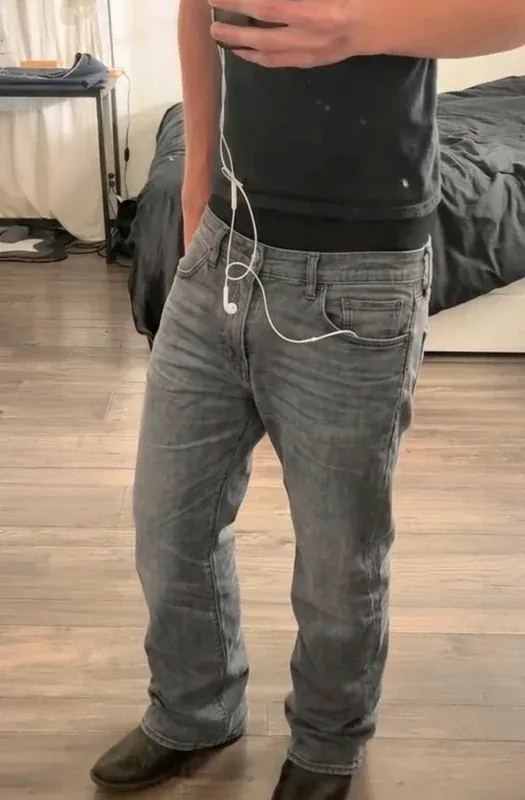 After
AfterGeneral pricing bands (as a starting point)
- Fast fashion (H&M, Zara, Primark), good condition: typically 20–35% of original retail price
- Mid-tier brands (Nike, Adidas, Levi's), good condition: typically 30–50% of original retail price
- Premium/designer, good condition: typically 40–60% of original retail price
- New with tags: can often go for 50–70% of retail
Always cross-check against actual sold listings — these bands are a starting point, not a rule.
Choose a starting price and review the response
Use comparable items to choose a defensible starting price. If your marketplace supports offers, decide in advance how much flexibility you want. Review views, likes and messages over time, then adjust if the market response differs from your estimate.
When to price higher
- Item is rare, discontinued, or currently trending
- New with tags, unworn
- Strong brand + strong condition + good photos — a genuinely excellent listing can support a slightly higher price and still sell quickly
When to price lower than you'd like
- You have several similar items and want them all to move
- The item has minor flaws (should be disclosed and reflected in price)
- It's been listed for 3+ weeks with views but no sale — a signal the price needs adjusting
Bundle pricing works
Offering a discount for buyers who purchase multiple items increases average order value and clears inventory faster. Mentioning "bundle and save" in your description or profile can noticeably increase multi-item purchases.
Re-pricing: don't be afraid to adjust
If an item has decent views but zero interest after 2-3 weeks, that's real market feedback. A price drop of 10-15% often reactivates interest — Vinted also tends to resurface recently-edited listings.
The bottom line
Price to real sold data, not to hope. A well-priced item with mediocre photos often outsells a beautifully photographed item that's 30% overpriced. Vintly's AI Vinted listing generator generates a market-aware price suggestion alongside your title and description from a single photo, so pricing isn't a separate research task for every item.